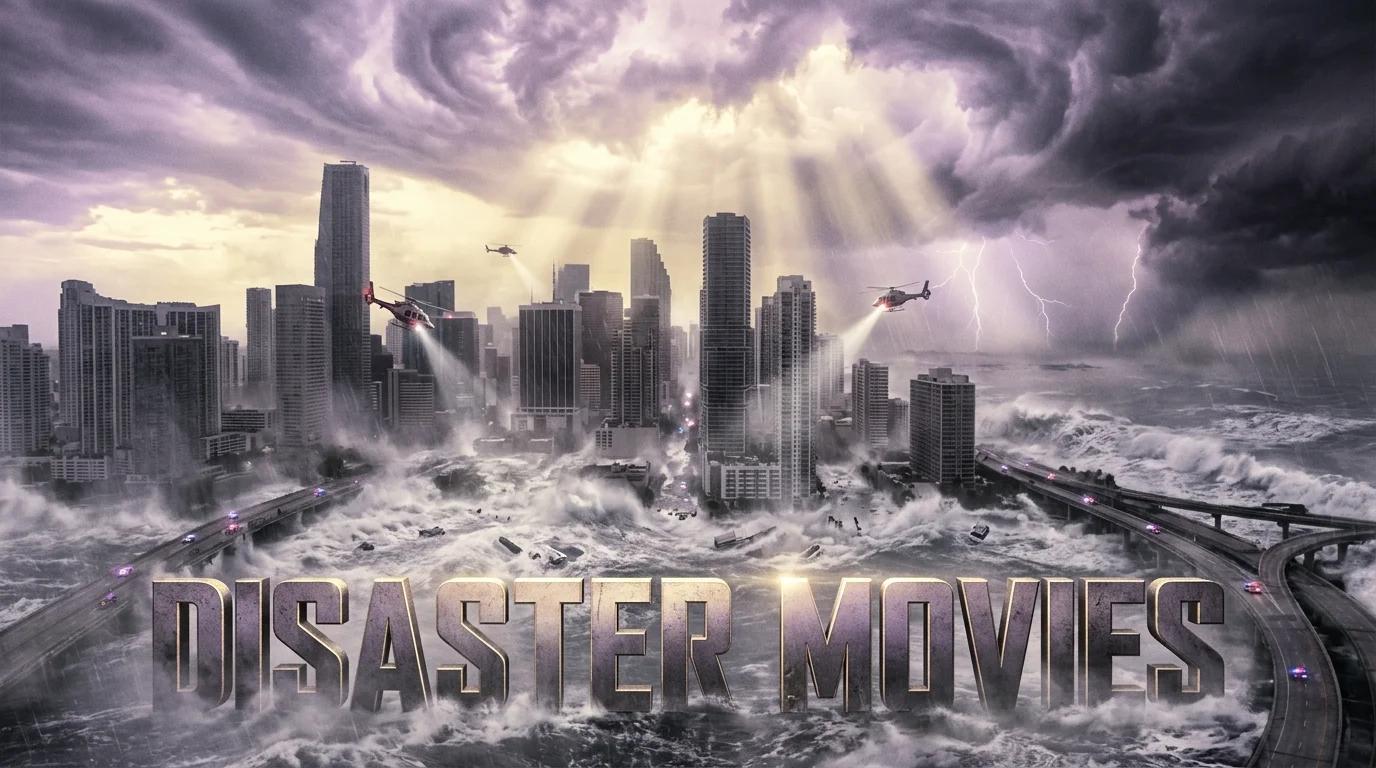
Disaster movies turn worst-case scenarios into gripping entertainment built around survival, sacrifice, and enormous spectacle. The best films pair memorable characters with collapsing cities, storms, fires, shipwrecks, and other catastrophes. This list highlights 15 standout choices for American viewers seeking their next intense movie night.
Direct answer: The strongest disaster films include Titanic, The Poseidon Adventure, The Impossible, Twister, Greenland, and Contagion. Great choices combine believable danger, human stakes, memorable performances, and suspense. Viewers who prefer bigger spectacle can start with 2012, San Andreas, or The Day After Tomorrow.
Disaster Movies at a Glance
| Movie | Year | Main Disaster | Best For |
|---|---|---|---|
| Titanic | 1997 | Shipwreck | Drama and spectacle |
| The Poseidon Adventure | 1972 | Capsized ocean liner | Classic survival |
| The Impossible | 2012 | Tsunami | Emotional true-story drama |
| Twister | 1996 | Tornadoes | Fast-paced action |
| Twisters | 2024 | Tornadoes | Modern blockbuster thrills |
| Greenland | 2020 | Comet fragments | Family survival |
| Contagion | 2011 | Pandemic | Realistic tension |
| Deepwater Horizon | 2016 | Oil-rig explosion | True-event intensity |
| 2012 | 2009 | Global catastrophe | Maximum destruction |
| The Day After Tomorrow | 2004 | Extreme climate events | Large-scale spectacle |
| Deep Impact | 1998 | Comet impact | Character-driven apocalypse |
| Dante’s Peak | 1997 | Volcanic eruption | Small-town survival |
| The Towering Inferno | 1974 | Skyscraper fire | Ensemble suspense |
| San Andreas | 2015 | Earthquake | Modern action spectacle |
| The Lost Bus | 2025 | Wildfire | Grounded survival drama |
How We Chose These Disaster Movies
This ranking favors films that make their catastrophes matter beyond visual effects. Suspense, character investment, pacing, cultural impact, and rewatch value all influenced the order. Variety matters too, because not every viewer wants the same kind of destruction.
The list includes natural events, technological failures, historical tragedies, and global threats. Several entries emphasize realistic survival, while others embrace spectacular blockbuster entertainment. That range should make it easier to find a suitable choice.
Recent genre roundups also show how broad the category has become. Rotten Tomatoes ranks films involving shipwrecks, pandemics, earthquakes, asteroids, fires, and weather events. Time Out similarly treats the genre as a mix of human survival and large-scale spectacle.
1. Titanic
James Cameron’s Titanic remains an unusually effective combination of romance, historical drama, and catastrophe filmmaking. The film spends substantial time making audiences care about its passengers before the famous ship begins sinking. That emotional investment gives the destruction far greater weight.
Its disaster sequence is also structured around escalating problems instead of nonstop visual chaos. Flooding compartments, crowded decks, freezing water, and limited lifeboats create different sources of tension. The result works for viewers who want drama as much as spectacle.
2. The Poseidon Adventure
The Poseidon Adventure helped define the large-scale Hollywood catastrophe film during the 1970s. A massive wave overturns an ocean liner and leaves survivors trapped inside the inverted vessel. Their escape becomes an increasingly dangerous journey through the ship’s damaged sections.
The movie’s strength comes from its simple survival objective. Every new room creates another physical problem or difficult decision. Its practical sets also give the environments a weight that newer digital productions sometimes lack.
3. The Impossible
The Impossible follows a family separated during the devastating 2004 Indian Ocean tsunami. Instead of emphasizing worldwide destruction, the story stays close to individual people searching for one another. That tighter perspective makes the danger feel immediate.
Naomi Watts and Ewan McGregor lead a story shaped by injury, uncertainty, and separation. Large-scale destruction remains important, but family survival drives the film forward. Choose this one for an emotional experience rather than escapist destruction.
4. Twister
Twister turns severe tornado research into a fast-moving chase across Oklahoma. Helen Hunt and Bill Paxton play storm chasers who pursue dangerous weather while navigating their complicated history. The movie balances meteorological adventure with accessible Hollywood action.
Its tornado sequences remain memorable because characters repeatedly move toward danger instead of simply escaping it. Flying debris, changing storm paths, and open landscapes create strong visual tension. It remains an easy recommendation for viewers who prefer energetic pacing.
5. Twisters
Twisters brought tornado spectacle back to theaters in 2024 with a new cast and modern effects. The story again follows storm chasers as they confront increasingly dangerous weather across Oklahoma. Its setup makes it accessible without requiring detailed knowledge of the 1996 film.
The newer movie works especially well for audiences seeking contemporary production values. It combines storm science, competitive personalities, and large action sequences. Fans of the original will also find familiar ideas, presented through a different cast.
6. Greenland
Greenland follows one family’s attempt to reach safety as an extinction-level comet threat unfolds. Gerard Butler plays a father navigating collapsing systems while fragments begin striking Earth. The film spends considerable time on practical survival problems.
That smaller focus separates it from louder planet-destruction blockbusters. Transportation, family separation, limited shelter access, and public panic become major threats. Viewers seeking grounded tension may prefer it over more exaggerated apocalypse stories.
7. Contagion
Steven Soderbergh’s Contagion follows a deadly infectious disease spreading across several countries. Scientists, public officials, healthcare workers, and ordinary families each show different parts of the crisis. The structure builds tension as systems fail under pressure.
The film became especially striking after real-world pandemic experiences changed how audiences viewed its scenarios. Its restrained approach avoids the exaggerated destruction common elsewhere in the genre. That makes it a strong choice for viewers who prefer realism and procedural detail.
8. Deepwater Horizon
Deepwater Horizon dramatizes the 2010 offshore drilling-rig explosion in the Gulf of Mexico. Mark Wahlberg leads an ensemble cast portraying workers trapped in a rapidly worsening industrial emergency. The movie focuses heavily on the people aboard the rig.
Mechanical failures and fire replace earthquakes or giant waves as the central threat. Tight industrial spaces make the escape sequences particularly intense. Readers interested in broader film and celebrity coverage can also read Hearvise’s Ryan Reynolds profile.
9. 2012
Few films commit to worldwide destruction as enthusiastically as 2012. Roland Emmerich sends earthquakes, collapsing cities, volcanic activity, and enormous waves across the screen. The story follows families and officials as they try to survive a global event.
Scientific restraint is not the main attraction here. The appeal comes from enormous action sequences and constant escalation. Pick it if you want to watch famous landmarks face increasingly impossible circumstances.
10. The Day After Tomorrow
The Day After Tomorrow imagines abrupt climate disruption producing extreme storms and freezing temperatures. Dennis Quaid plays a climatologist trying to reach his son in a devastated New York City. Their separate survival stories keep the global threat personal.
The science is heavily dramatized, so the movie works better as spectacle than prediction. Tornadoes, flooding, snow, and rapid freezing provide a varied collection of set pieces. It remains one of the most recognizable catastrophe blockbusters of the 2000s.
11. Deep Impact
Deep Impact centers on a comet threatening Earth and humanity’s efforts to prevent catastrophe. Unlike many asteroid stories, it spends substantial time exploring how ordinary people respond to impending disaster. Political decisions and family relationships receive considerable attention.
The result is slower and more reflective than many comparable films. Large effects sequences arrive, but personal choices carry equal importance. It suits viewers seeking an apocalypse story with stronger dramatic emphasis.
12. Dante’s Peak
Pierce Brosnan plays a volcanologist investigating worrying activity near a small Washington community in Dante’s Peak. Local officials initially struggle with the potential economic consequences of sounding an alarm. Those delays increase tension as the volcano becomes more dangerous.
The movie mixes scientific investigation with straightforward escape action. Its small-town setting keeps the geography understandable as conditions worsen. Fans of 1990s action filmmaking should find plenty to enjoy here.
13. The Towering Inferno
The Towering Inferno brings together Paul Newman, Steve McQueen, and a large ensemble inside a burning skyscraper. Fire spreads through a newly opened high-rise as rescue teams face limited options. Multiple character stories unfold throughout the building.
The production captures the ensemble formula that made 1970s catastrophe cinema distinctive. Viewers move between wealthy guests, building staff, firefighters, and trapped occupants. That structure builds suspense without relying on a single central hero.
14. San Andreas
San Andreas stars Dwayne Johnson as a rescue pilot responding to massive earthquakes across California. The plot follows his attempt to reunite with and protect his family. Collapsing buildings and major infrastructure failures provide most of the spectacle.
Realism takes a secondary role to large action sequences. The film understands its blockbuster purpose and moves quickly between dangerous locations. It’s a good choice when you want uncomplicated earthquake entertainment.
Movie fans exploring more actor-focused content can also read Hearvise’s coverage of film careers and business. The site’s Brandon Lee profile offers another path into Hollywood history and film-related reading.
15. The Lost Bus
The Lost Bus brings the genre closer to real-world wildfire danger. The 2025 film draws from events surrounding California’s destructive 2018 Camp Fire. Its smaller human focus contrasts with planet-scale catastrophe stories.
Wildfire changes the genre’s usual visual language. Smoke, blocked roads, limited visibility, and rapidly changing conditions create pressure without exploding cities. It is a strong option for viewers who prefer survival drama rooted in a real disaster.
Which Type Should You Watch First?
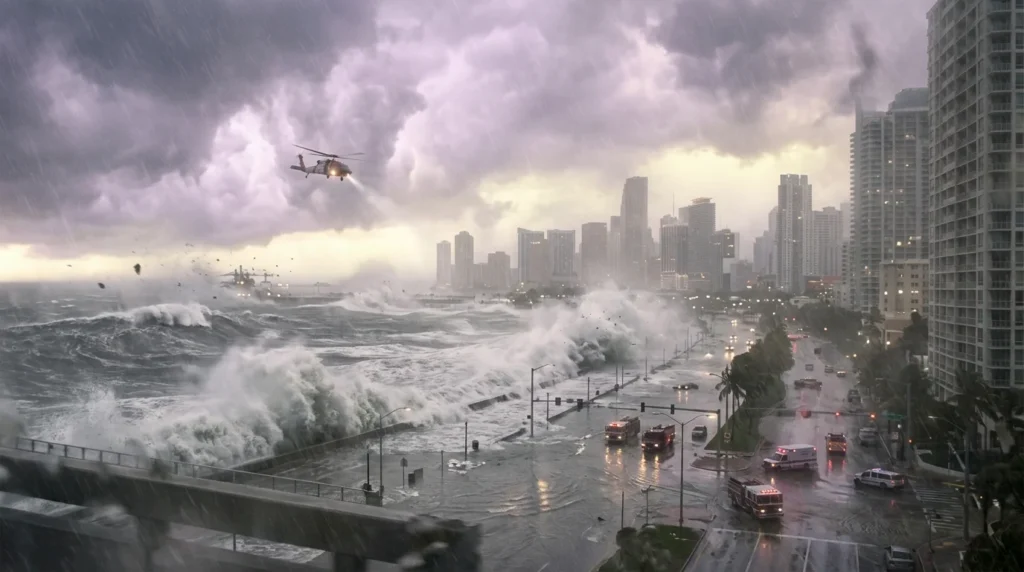
Start with Titanic or The Impossible when character drama matters most. Choose 2012, San Andreas, or The Day After Tomorrow when spectacle is the priority. Twister and Twisters work particularly well for audiences wanting energetic weather action.
Viewers who prefer more grounded tension should consider Greenland, Contagion, or Deepwater Horizon. Classic-film fans can start with The Poseidon Adventure and The Towering Inferno. Each pair shows how catastrophe filmmaking changed across different decades.
Your preferred threat can also make the choice easier. Tornadoes create chase-driven stories, while ships create confined survival problems. Global threats allow larger stories about governments, families, and civilization itself.
Why Catastrophe Films Remain So Watchable
These stories create stakes that audiences understand immediately. Characters usually need safety, shelter, transportation, information, or reunion with family. That clarity lets a movie establish urgency without complicated exposition.
The genre also gives filmmakers unusual opportunities for scale. A single story can move from intimate family conflict to the destruction of an entire city. Successful films keep those two levels connected.
Human choices ultimately create the most memorable moments. Spectacle may attract viewers, but difficult decisions keep them emotionally involved. That balance explains why older entries continue finding new audiences decades later.
Frequently Asked Questions
What are the best disaster movies to watch first?
Good starting choices include Titanic, The Poseidon Adventure, The Impossible, Twister, Greenland, and Contagion. They represent several styles, including historical tragedy, weather action, realistic survival, and global crisis. Your preferred tone should determine which one comes first.
Is Titanic considered a disaster film?
Yes, Titanic fits the category because the sinking drives the movie’s second half and determines whether the characters survive. The story also contains romance and historical drama. Genre labels can overlap without excluding the catastrophe element.
What is a good tornado movie?
Twister remains a popular starting point for viewers who enjoy tornado action. Twisters offers a newer alternative with contemporary effects and a different cast. Watching both also shows how blockbuster filmmaking changed between 1996 and 2024.
Which films are based on real events?
Titanic, The Impossible, Deepwater Horizon, and The Lost Bus connect their stories to real catastrophes. Their screenplays still use dramatization and cinematic storytelling. They should not replace documentaries or historical sources for factual study.
What should I watch if I like 2012?
Try The Day After Tomorrow for another Roland Emmerich spectacle built around worldwide destruction. San Andreas offers similarly large earthquake sequences with a family rescue story. Greenland uses a global threat but treats survival more seriously.
Final Verdict
For the best mix of scale, emotion, and filmmaking, Titanic remains our top recommendation. The Impossible is the better choice for grounded emotional survival, while 2012 wins for unapologetic destruction. Twister remains an excellent middle ground between characters, action, and spectacle.
No single ranking can capture every viewer’s preferences. Some people want realistic danger, while others want cities collapsing on the biggest screen possible. Use the table above to match the threat and tone to your next movie night.
For more film, celebrity, and pop-culture reading, continue through Hearvise’s Entertainment coverage. Its existing profiles offer additional Hollywood stories and career features. That gives readers an easy next step after finishing this list.
—–