
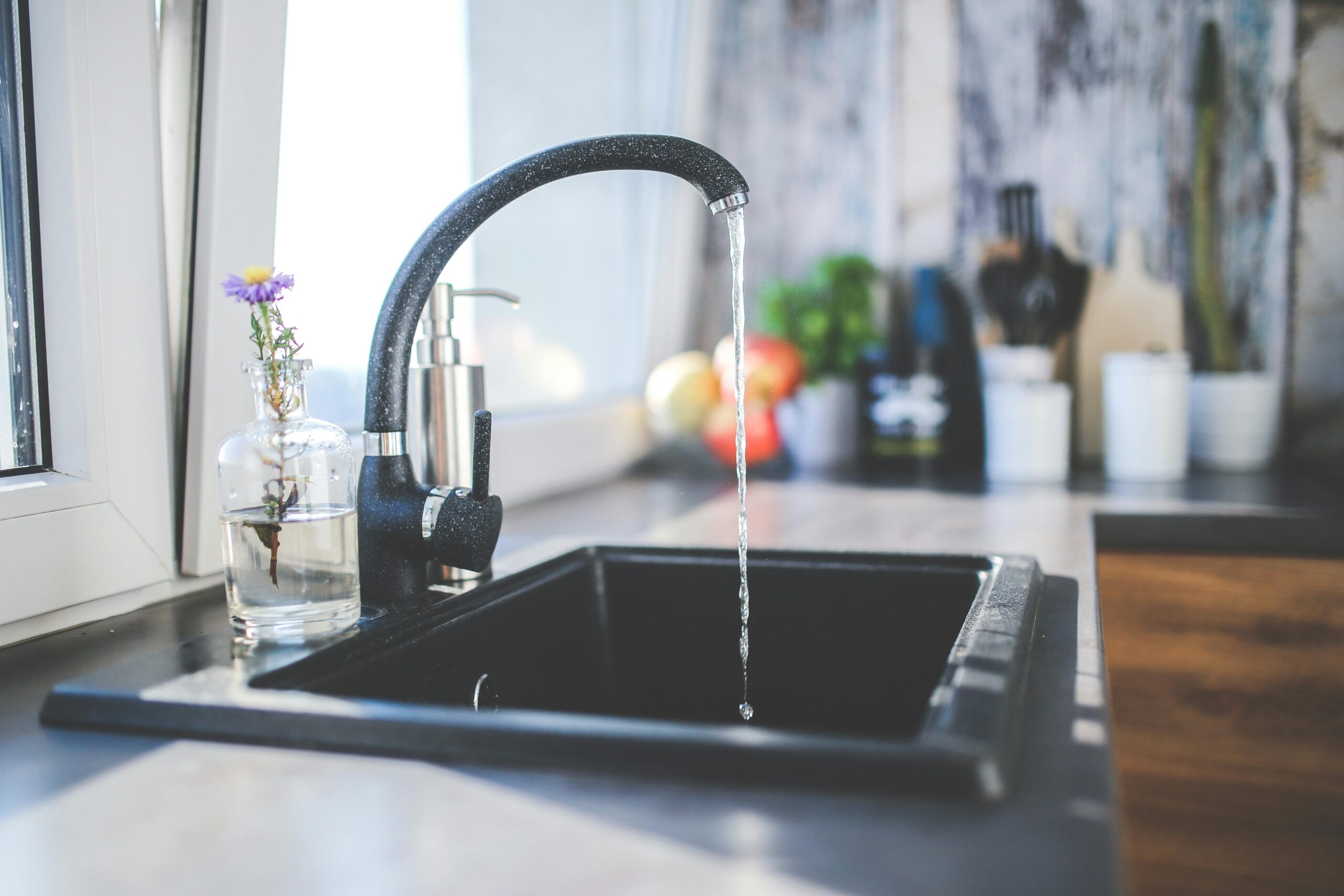
We’ve all been there—standing over a kitchen sink that stubbornly refuses to drain while the remnants of last night’s dinner float mockingly on the surface. It’s one of those pesky household problems that can put a damper on your culinary adventures. But fear not! With a little know-how and some practical steps, you can say goodbye to grease-clogged drains for good. In this guide, we’ll walk through effective methods that will have your water flowing freely once again.
Prevention
Preventing kitchen drain clogs is all about being mindful of what goes down the sink. Start by scraping food scraps into the trash or compost before rinsing dishes. Avoid pouring oils and grease down the drain; instead, collect them in a container and dispose of them properly. Installing a drain screen or strainer can also catch debris, preventing it from causing blockages. Regularly flushing the drain with hot water can help dissolve any minor buildup. By adopting these simple habits, you can keep your drains clear and your kitchen running smoothly.
Homemade Solutions
Sometimes, the best solutions are right in your pantry. To tackle minor clogs and prevent future ones, you can use simple homemade remedies that are both effective and eco-friendly. One popular method involves using a combination of baking soda and vinegar. Start by pouring half a cup of baking soda down the drain, followed by a cup of white vinegar. The mixture will fizz and bubble, working to dislodge the grime lining your pipes. Let it sit, then flush with hot water to clear the loosened debris. Another solution is to use salt and hot water. Pour half a cup of salt down the drain followed by boiling water, which helps to break down grease build-up. These natural approaches are not only good for the environment, but they also provide a gentle means of maintaining your kitchen drain and keeping it clog-free.
Plunger
If you find that natural remedies aren’t cutting it, it may be time for some physical intervention using a plunger specifically designed for sinks (not toilets). Ensure there’s enough water in the sink basin to cover part of the plunger head; this creates the suction necessary for effective plunging action. Seal off any overflow outlets with wet rags or use an extra hand if needed while plunging vigorously until you see results.
Professionals
If you’ve tried every trick in the book and your drain still insists on being stubborn, it might be time to call in the experts. Professional plumbers have the tools and experience necessary to tackle the toughest clogs that refuse to budge with DIY methods. They can use specialized equipment like drain snakes, hydro-jetters, or even cameras to assess the problem accurately and clear your pipes efficiently. While hiring a professional may seem like an upfront cost, it can save you from potential damage that untreated clogs might cause to your plumbing system. Plus, they can offer advice on maintaining your drains and preventing future blockages, so you can keep your kitchen running smoothly. Remember, it’s always better to seek professional help sooner rather than later to avoid more significant issues down the line.
Drain cleaning can be a simple task with the right tools. By incorporating simple preventive measures, utilizing homemade solutions, and knowing when to call in professional help, you can ensure your drain remains clear and efficient. Remember that consistency is key; regular care and attention will save you from future headaches and costly repairs. With these strategies, you’ll be able to enjoy a smoothly running kitchen, free from the hassle of stubborn clogs. So, stay mindful of what goes down the drain, take proactive steps when needed, and your kitchen will thank you with years of trouble-free operation.