
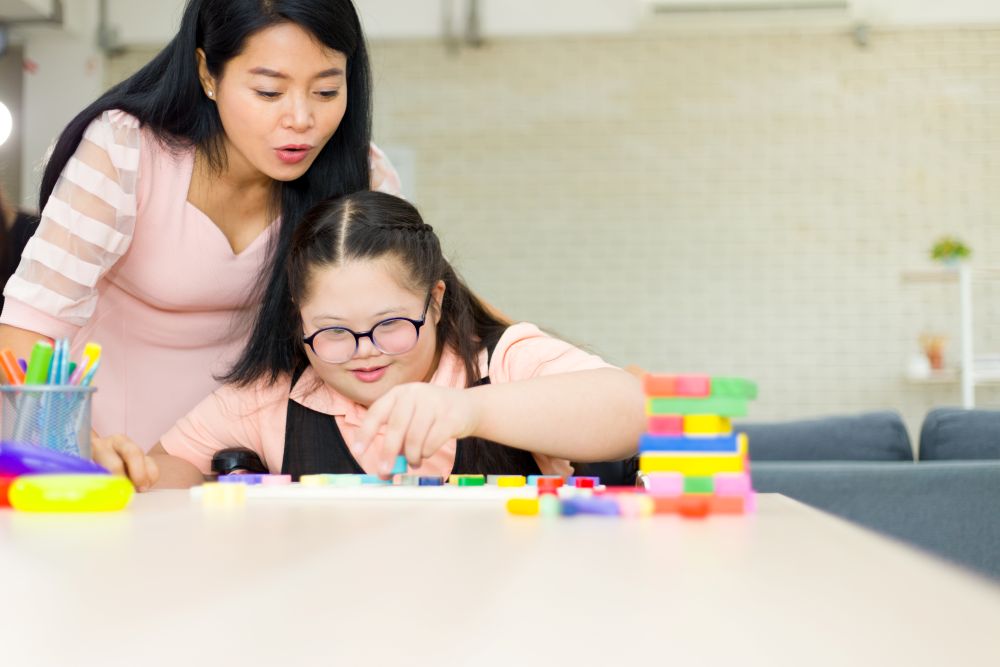
Creating organized spaces can have a profound impact on individuals with autism. Structured environments provide predictability, which can reduce anxiety and promote independence. When daily routines are clear, it becomes easier for caregivers and educators to support learning and skill development. Organization doesn’t have to be complicated—it can be as simple as labeled bins, designated activity areas, or consistent schedules. Small changes in physical or digital spaces can create a sense of control and comfort. This approach helps autistic individuals feel safe while navigating their surroundings. Ultimately, thoughtful organization fosters an environment where growth and confidence can thrive.
Routine and Structured Strategies as Autism Support
Routines act as the backbone of effective autism care. Predictable daily schedules help individuals understand what to expect, reducing stress and confusion. Even minor disruptions can cause significant challenges, so structured routines provide a sense of stability. Caregivers can implement visual schedules, timers, and step-by-step instructions to make routines more accessible. These tools allow individuals to anticipate activities and transitions with confidence.
Over time, consistent routines encourage independence in daily tasks, from personal care to school or work activities. In fact, many organizations, like Generation Kadima, emphasize structured approaches to support autistic individuals’ growth naturally. Providing consistent routines and organized environments, help reduce anxiety and foster confidence. These strategies also empower caregivers and educators to better guide each individual
Organizing Physical Spaces for Clarity
Physical organization plays a key role in supporting focus and comfort. Clear, uncluttered areas allow individuals to move freely without distractions or hazards. Labeling items, creating specific zones for play, learning, and relaxation can make environments intuitive and easier to navigate. Consistent placement of toys, tools, and materials reduces frustration and helps with task completion.
Visual cues such as color coding or picture labels can guide autistic individuals through activities independently. Simple adjustments, like keeping sensory tools accessible or minimizing overwhelming stimuli, enhance the overall environment. Well-organized spaces also make it easier for caregivers to provide support without constant intervention.
Digital Organization and Learning Tools
Structured digital environments are increasingly important for learning and communication. Many autistic individuals use apps and digital schedules to reinforce routines and track tasks. Clearly labeled folders, accessible resources, and intuitive navigation can reduce anxiety and improve engagement. Online learning platforms benefit from organized modules and predictable lesson structures. Using visual timers or reminders within digital tools helps maintain focus and consistency.
Caregivers and educators can collaborate to ensure digital spaces mirror physical routines for a cohesive experience. Thoughtful digital organization supports independence and allows individuals to interact with technology confidently.
Sensory-Friendly Organization Strategies
Sensory considerations are essential when designing organized spaces for autism support. Structured environments should account for light, sound, textures, and movement preferences. Providing calm corners or quiet zones allows individuals to self-regulate when overwhelmed.
Organizing materials by sensory type—like tactile, auditory, or visual—can make activities more predictable and enjoyable. Color coding or clear visual boundaries can help minimize confusion and frustration. Incorporating consistent storage systems ensures that sensory tools are easy to find and put away. By respecting sensory needs within organized spaces, caregivers promote comfort and engagement throughout daily routines.
Building Independence Through Organization
Structured spaces directly contribute to greater independence for autistic individuals. Predictable environments empower them to complete tasks without constant guidance. Clear labeling, organized materials, and consistent routines encourage problem-solving and decision-making skills. Independence reduces caregiver stress while boosting confidence and self-esteem.
Small achievements in navigating organized spaces often translate into larger successes in learning, social interactions, and daily living. Structured environments provide a foundation for skill development and personal growth. By maintaining consistent organization, caregivers create a supportive framework where autistic individuals can thrive.
Conclusion
Organized and structured spaces play a vital role in supporting autistic individuals. Clear routines, thoughtful environments, and sensory-friendly strategies help reduce stress and build confidence. Even small changes can foster independence and make daily life more manageable. By prioritizing structure, caregivers and educators create spaces where autistic individuals can thrive and reach their full potential.
Apart from that, if you want to know more about Why Patients Benefit From Combining General And Cosmetic Dental Care then visit our Health category.