
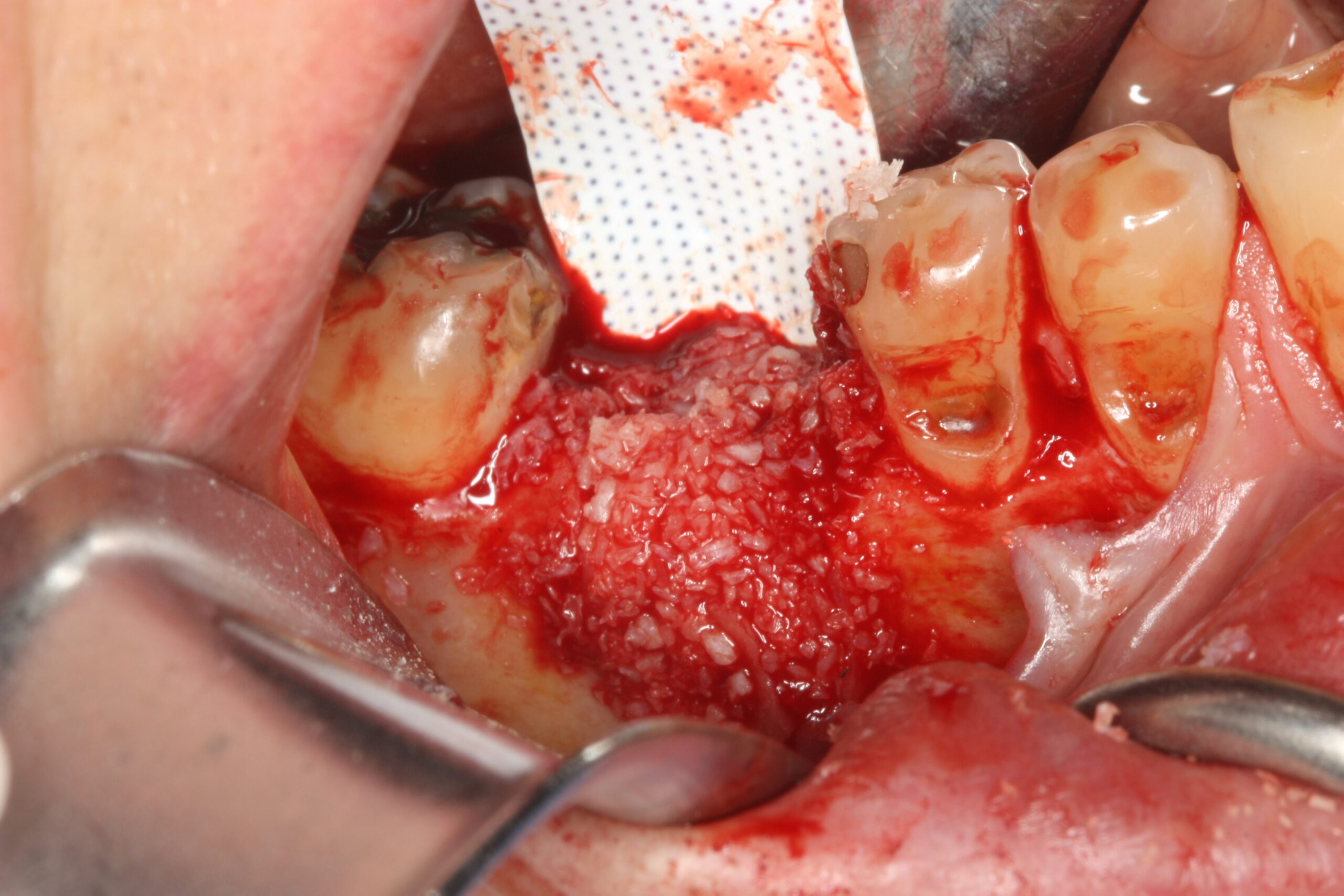
Bone grafting plays a crucial role in restoring your dental health, especially if you’re considering dental implants. It often becomes necessary when your jawbone lacks the strength to support an implant due to bone loss. Bone grafting helps you regain this strength effectively. You might wonder about the procedure’s safety and reliability. Rest assured, your care team, including a qualified periodontist in Albuquerque, NM, ensures that you receive the best possible care. Bone grafting involves adding bone material to strengthen your jaw, making it ready for a successful implant. The process is straightforward, and healing usually takes months. During this time, the new bone integrates with your existing bone, creating a solid foundation for implants. Understanding what to expect helps you make informed decisions about your dental health. You deserve to feel confident and supported throughout your treatment journey.
Why Bone Grafting is Needed
Your jawbone may lose density over time due to various reasons like tooth loss, gum disease, or trauma. Without sufficient bone, placing a dental implant becomes challenging. Bone grafting addresses this problem effectively. By enhancing the bone structure, it provides the necessary support for implants and ensures long-term success.
Types of Bone Grafting Materials
Different materials are used in bone grafts. Each has its advantages and specific use cases:
- Autograft: Taken from your own body, usually from the chin or hip.
- Allograft: Obtained from a human donor, processed for safety.
- Xenograft: Sourced from animals, commonly cow bone.
- Synthetic: Made from biocompatible materials like calcium phosphate.
| Material | Source | Benefits |
| Autograft | Patient’s own bone | High compatibility, no rejection risk |
| Allograft | Human donor | Readily available, no second surgical site |
| Xenograft | Animal source | Available in large quantities |
| Synthetic | Artificial materials | No risk of disease transmission |
The Bone Grafting Procedure
The procedure begins with a detailed evaluation by your dental specialist. They will discuss your medical history and any current medications. During the surgery, your dentist cleans the area and places the chosen graft material. The site is then stitched closed. You will receive specific instructions to ensure optimal healing.
Recovery After Bone Grafting
Recovery varies among individuals but usually includes swelling and discomfort, manageable with medication. Following care instructions is key. Avoid smoking and maintain good oral hygiene. Regular follow-ups are important to track healing progress.
Risks and Considerations
Bone grafting is generally safe, but as with any surgery, there are risks. These include infection, bleeding, and graft rejection. Choosing a skilled dental professional minimizes these risks. Discuss any concerns with your dentist before proceeding.
Benefits of Bone Grafting
- Improves implant success rate.
- Restores facial structure and appearance.
- Prevents further bone loss.
Frequently Asked Questions
How long does it take to heal? Healing can take several months. Your dentist will monitor progress.
Is it painful? Some discomfort is normal, but it is manageable with medications.
Are there alternatives? Alternatives may exist, but they depend on your specific situation. Discuss with your dental team.
Understanding bone grafting can ease your concerns and prepare you for the procedure. Trust in the expertise of your dental team ensures a smooth experience. Remember, a strong foundation is key to a successful implant and a healthier smile.