
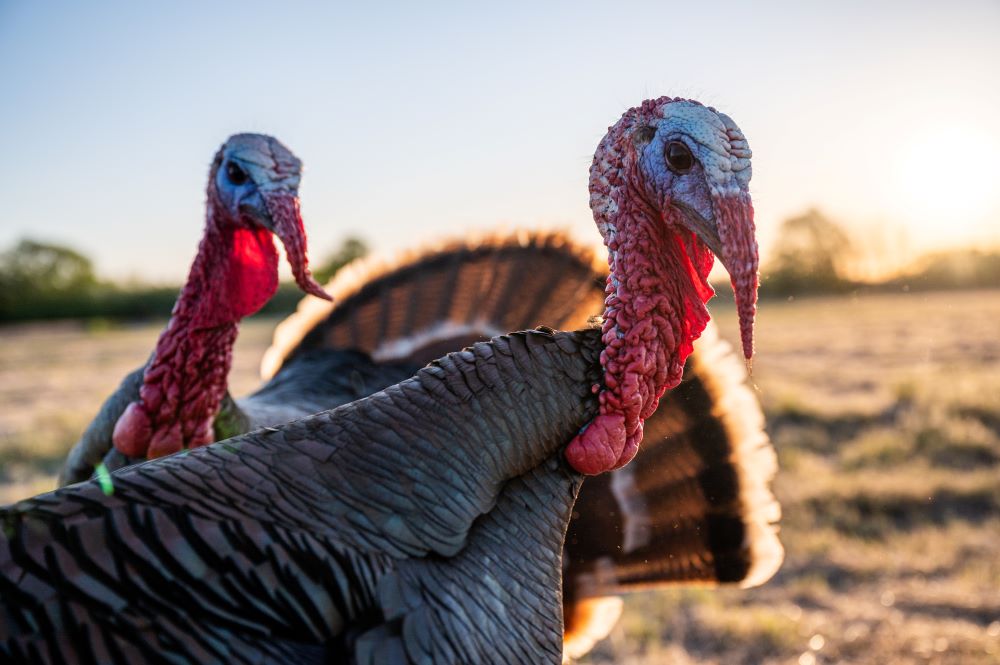
Raising turkeys can be a rewarding experience, but it also comes with the responsibility of recognizing and treating common health issues. Like other poultry, turkeys are susceptible to several diseases that can spread quickly if not managed early. Identifying symptoms and taking swift action is key to keeping your flock healthy and productive. Elsewhere on the site: Can Dogs Have Blueberries.
This blog explores some of the most frequent turkey health problems and how to address them effectively. Whether you’re raising turkeys for meat, breeding, or as a hobby, knowing what to watch for can save you time, money, and stress. Below are some of the most common conditions turkey owners encounter and practical ways to manage each.
Respiratory Infections
Turkeys are highly prone to respiratory illnesses, particularly when kept in dusty, damp, or poorly ventilated environments. Symptoms include coughing, nasal discharge, labored breathing, and watery eyes. These infections can be viral or bacterial, often spreading through close contact or contaminated bedding.
Mycoplasma gallisepticum is one common culprit, but others like Infectious Bronchitis or Newcastle Disease may also be involved. Early treatment typically includes isolation of the sick birds and the use of antibiotics if a bacterial infection is suspected. Keeping the coop dry and ensuring good airflow are essential in preventing recurrence. Regular cleaning and limiting visitor exposure can also help reduce risk.
Blackhead Disease (Histomoniasis)
Blackhead disease is a serious condition caused by a protozoan parasite that often originates from infected chickens. It primarily affects the liver and ceca, and turkeys are especially vulnerable. Common signs include lethargy, drooping wings, yellowish droppings, and a darkened head—hence the name. Once symptoms appear, the disease can progress quickly, so early detection is crucial.
There are no approved drugs for treatment in some countries, so prevention is vital, often involving strict biosecurity and avoiding co-housing with chickens. In places where treatment is permitted, certain medications may help reduce symptoms. Keeping your turkey area chicken-free is one of the most effective long-term strategies.
Coccidiosis
Coccidiosis is a parasitic disease caused by protozoa that attack the intestinal lining, leading to bloody droppings, weight loss, and poor growth. Young turkeys are especially at risk, particularly in warm and wet conditions that favor parasite development. You may notice reduced feed intake and general weakness in affected birds. Treatment often includes administering anticoccidial drugs in the water or feed.
To prevent future outbreaks, it’s important to maintain dry litter, rotate grazing areas, and ensure feeders and waterers are clean. Some turkey growers also opt to vaccinate their flock or use medicated starter feeds as a preventive step. Regular fecal testing can help monitor the situation before it becomes severe.
Also Read: Dental Care For Pets
Erysipelas
Erysipelas is a bacterial infection that can lead to sudden death, joint swelling, and darkened patches of skin in turkeys. It often spreads through cuts or contaminated soil and surfaces, with outbreaks sometimes triggered by stressors like transportation or sudden weather shifts. Birds that survive may still experience long-term joint issues and reduced performance.
Treatment usually involves administering antibiotics promptly and improving overall cleanliness in the living area. In recurring cases, vaccination may be an option to consider as part of a preventive plan. Some treatments, such as antibiotic formulations designed for turkeys’ drinking water, are available from veterinary suppliers like US Vet to help manage the condition effectively. This treatment approach makes it easier to treat multiple birds at once, especially during an outbreak. Consistent monitoring and timely response are essential to reduce losses and support recovery within the flock.
External Parasites
Lice and mites are common external parasites that irritate turkeys and lead to excessive preening, feather loss, and skin damage. These pests can spread from wild birds or infested bedding materials. Heavy infestations can cause anemia, reduced egg production, and general discomfort. Checking your flock regularly and inspecting under the wings or around the vent can help catch the problem early.
Treatment usually includes dusting birds with poultry-safe insecticides and thoroughly cleaning the coop. In some cases, multiple treatments are necessary to eliminate eggs and prevent reinfestation. Consistent hygiene practices and limiting exposure to wild birds are your best line of defense.
Conclusion
Understanding the common health issues turkeys face helps you become a more effective and compassionate caretaker. Quick identification and appropriate treatment can mean the difference between a minor setback and a major loss in your flock.
While diseases like coccidiosis and erysipelas may seem daunting, maintaining cleanliness, reducing stress, and acting swiftly are often enough to control them. Keep an eye on your turkeys’ behavior and appearance, and don’t hesitate to consult a veterinarian when needed. With good care and awareness, your turkeys can thrive year-round.
If you want to know more about How General Veterinary Services Promote A Longer Life For Your Pet, then visit our Pets category.