
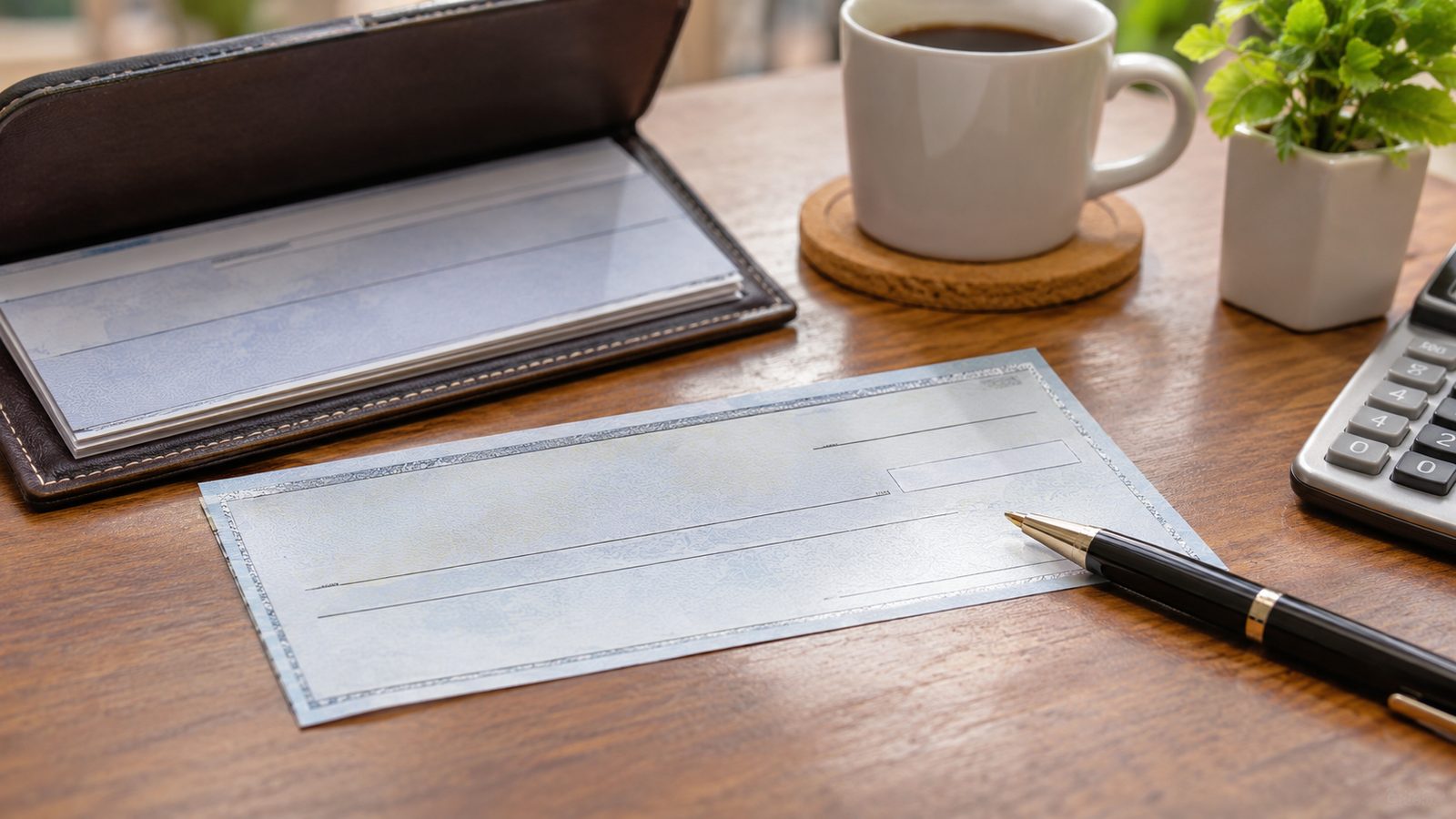
What Is a Counter Check?
A counter check is a blank or partially printed check provided by your bank when you need a check immediately. You can usually request one at a branch if you’ve run out of personal checks or recently opened an account. It draws money directly from your checking account, just like an ordinary personal check. Banks may print these checks at the counter or provide temporary check forms. They typically include your bank’s routing number and checking account information. Depending on the bank, you may need to write your name and address yourself. It is not the same as a cashier’s check. The bank does not guarantee payment using its own funds. Your account must have enough available money when the recipient deposits or cashes it.
Key Facts at a Glance
| Feature | What You Should Know |
|---|---|
| Issued by | Your bank or credit union |
| Where to get one | Participating bank branches |
| Payment source | Your personal checking account |
| Bank guarantee | No |
| Identification | Government-issued ID may be required |
| Fees | Vary by financial institution |
| Availability | Not offered by every bank |
| Typical purpose | Urgent personal payments |
| Main drawback | Some recipients refuse temporary checks |
How Do You Get One?
Getting one usually requires visiting your bank in person. Your bank must offer this service, and availability depends on its branch policies. Some financial institutions have discontinued them or provide electronic payment options instead. Follow these steps to request one:
- Visit your bank branch: Find a nearby branch that offers teller services. Call ahead to confirm temporary checks are available.
- Bring identification: Carry a valid government-issued photo ID. Your bank may request additional information to verify your identity.
- Explain your request: Tell the teller you’ve run out of checks or need a temporary payment option. Ask specifically whether the branch provides them.
- Confirm any fees: Ask whether the bank charges for each check or applies other account-related restrictions. Fees and limits vary by institution.
- Check the printed information: Confirm that the routing and account numbers belong to your checking account. Make sure the check has enough space for the payment details.
- Complete the check: Write the recipient’s name, payment amount, date, and signature. Add your address if the form leaves that information blank.
Before leaving, ask whether the bank has any restrictions on the check’s amount or intended use. A teller can explain whether your intended recipient might need additional verification.
When Should You Use One?
A temporary bank-issued check can help when you need to make a payment immediately. It provides an option when your regular checkbook isn’t available. This can be useful when electronic payments aren’t accepted or practical. Common situations include:
- Running out of personal checks: You need to make a payment before your replacement checkbook arrives.
- Opening a new account: You haven’t received your first set of personalized checks.
- Paying a service provider: A contractor or individual accepts personal checks but doesn’t offer electronic payment.
- Making an urgent payment: You need a paper payment while waiting for another payment method.
- Handling a one-time expense: You don’t want to order a complete checkbook for a single transaction.
For example, imagine you open a checking account and need to pay a local service provider. Your personalized checks haven’t arrived yet, but the provider accepts personal checks. A branch-issued temporary check could help you complete the payment. Always confirm acceptance before requesting one. A recipient may reject it because it lacks your preprinted name and address.
Counter Checks vs. Other Payment Instruments
Several payment instruments look similar but have different funding arrangements and guarantees. Understanding these differences helps you choose the right option for your payment.
| Payment type | Where funds come from | Bank guarantee | Typical use |
|---|---|---|---|
| Counter check | Your checking account | No | Urgent personal payments |
| Starter or temporary check | Your checking account | No | Payments before personalized checks arrive |
| Cashier’s check | Bank’s funds | Yes, issued by the bank | Large or formal payments |
| Certified check | Your checking account, with funds set aside | Bank certifies funds and signature | Payments requiring certified funds |
| Money order | Prepaid funds | Issuer’s payment obligation, subject to terms | Smaller payments and recipients requiring prepaid instruments |
Compared With Starter or Temporary Checks
These terms can overlap, depending on the financial institution. A counter check is generally issued at the counter when you need a check immediately. Starter checks are commonly provided when someone opens a new checking account. Both generally draw funds from your checking account. Neither automatically carries a bank payment guarantee. Their acceptance depends on the recipient’s policies.
Compared With a Cashier’s Check
A cashier’s check is issued against the bank’s funds rather than directly against your personal checking account. You pay the bank for the instrument, and the bank issues the check. This provides the recipient with a bank-backed payment obligation. The OCC explains that cashier’s checks are drawn on the issuing bank’s funds. This differs from a personal check drawn on a customer’s account. A cashier’s check may suit transactions requiring guaranteed funds. This option is more appropriate for ordinary personal payments when the recipient accepts it.
Compared With a Certified Check
A certified check begins as a personal check drawn on your account. The bank certifies the signature and confirms sufficient funds are available. It then earmarks those funds for payment. A regular one does not receive this certification. If someone specifically requests certified funds, ask your bank about a certified check instead.
Compared With a Money Order
A money order is purchased in advance using cash or another accepted payment method. The issuer provides a prepaid payment instrument for a specified amount. It doesn’t draw directly from your checking account when the recipient deposits it. Money orders can help when recipients don’t accept personal checks. Their purchase limits, fees, and refund procedures depend on the issuer. Practical recommendation: Choose this option for a routine payment when the recipient accepts personal checks. Choose a cashier’s check or certified check when guaranteed funds are required. Consider a money order when a prepaid payment is more suitable.
How to Fill One Out Correctly
Filling out a temporary check is similar to completing a regular personal check. Take your time because incorrect information can delay processing. Use a permanent pen and avoid leaving unnecessary blank spaces. Complete these fields:

- Date: Write the current date in the designated space. Use the date format accepted by your bank.
- Payee: Enter the full legal name of the person or business receiving payment. Avoid leaving this field blank.
- Numerical amount: Write the payment amount in the designated dollar box. Keep the numbers clear and readable.
- Written amount: Spell out the payment amount on the appropriate line. Make sure it matches the numerical amount.
- Signature: Sign your name as registered with your bank. An incorrect signature may cause processing problems.
- Memo: Describe the payment’s purpose, such as rent, repairs, or an invoice number. This field helps with your personal records.
- Account holder details: Write your name and address if the check doesn’t already display them. Follow your bank’s instructions about missing information.
Before handing over the check, review every field. Confirm the payee, amount, and signature are correct. Also, make sure your account has sufficient available funds. Keep a record of the payment in your check register or banking app. Record the date, recipient, amount, and purpose. This makes it easier to identify the transaction when it appears on your statement.
Drawbacks and Limitations to Understand
Although convenient, temporary checks aren’t accepted everywhere. Their appearance and missing personal information can create verification concerns. Some recipients prefer standard checks with preprinted account holder details. Consider these limitations before relying on one:
- Merchant restrictions: Some stores and businesses refuse checks without a preprinted name and address.
- Landlord policies: A landlord or property manager may require a personalized check or another verified payment method.
- Large-payment restrictions: Some banks limit the amount or prohibit them for certain large transactions.
- Bank availability: Not every institution offers branch-issued checks.
- Additional costs: Your bank may charge a service fee, depending on its account terms.
- Processing delays: A recipient may need additional verification before accepting the payment.
These restrictions aren’t universal rules. Each bank and recipient can establish its own acceptance procedures within applicable requirements. Confirm the details before arranging an important payment.
Security and Fraud Prevention Tips
A check contains sensitive banking information. Someone who obtains its details may attempt unauthorized transactions. Treat it with the same care as your regular personal checks. For a wider view of financial red flags, see this guide on how CPAs assist with forensic accounting and fraud prevention. Follow these precautions:
- Never sign a blank check.
- Never leave the payee or amount fields empty when handing over a check.
- Keep unused temporary checks in a secure location.
- Avoid sharing photographs of completed checks with unverified people.
- Review your checking account regularly for unfamiliar transactions.
- Contact your bank promptly if a check goes missing.
- Ask your bank about stop-payment options when appropriate.
Watch Out for Fake Check and Overpayment Scams
Fake check scams can involve personal checks, cashier’s checks, and other payment instruments. A scammer may send you a check for more than the amount owed. They then ask you to return the difference through a payment app, wire transfer, or gift cards. The FTC warns that deposited funds can appear in your account before a bank discovers that a check is fraudulent. This can take weeks in some cases. If you send money before the check is verified, you could become responsible for the lost amount. Never refund an overpayment from an unfamiliar check. Contact your bank independently to verify the situation. Don’t rely on an account balance or an apparent deposit confirmation as proof that a check is genuine. Read the FTC’s official guide, How to Spot, Avoid, and Report Fake Check Scams, for additional consumer protection guidance.
Alternatives to Temporary Bank Checks
If your bank doesn’t offer temporary checks, you still have several payment options. The right choice depends on the recipient’s requirements, transaction amount, and urgency.
1. ACH Bank Transfers
ACH transfers move money electronically between participating financial institutions. You can often arrange them through online banking or your bank’s mobile app. Confirm the processing schedule and any applicable transfer limits.
2. Debit Card Payments
A debit card allows you to pay merchants directly using your checking account balance. It can be convenient for in-person and online purchases. Check your bank’s card controls and transaction limits before making larger payments.
3. Zelle-Type Bank Transfers
Services such as Zelle allow eligible users to send money through participating banks. These transfers can be convenient when paying someone you know and trust. But payment-app transfers can carry fraud risks. Verify the recipient’s identity and payment details before sending money. Many authorized transfers are difficult to reverse after completion. Avoid sending money to strangers based on urgent requests or unfamiliar payment instructions.
4. Cashier’s Checks
A cashier’s check is useful when a recipient requires bank-backed funds. Your bank issues the instrument using its own funds after receiving payment. Ask about availability, identification requirements, and applicable fees.
5. Money Orders
Money orders provide a prepaid alternative to personal checks. They may suit recipients who don’t accept ordinary checking account payments. Check the issuer’s purchase limits and procedures for replacing lost instruments. Compare these options before choosing a payment method. A bank transfer may be easier for routine payments, while a cashier’s check may be more appropriate for transactions requiring guaranteed funds.
Frequently Asked Questions
What is a counter check at a bank?
A counter check is a temporary personal check issued by a bank branch. It draws money from your checking account rather than the bank’s own funds. Banks commonly provide one when customers need a check before receiving personalized checks.
Can I get one without my regular checkbook?
Yes, if your bank offers the service. Visit a participating branch with acceptable identification and request a temporary check. The teller can explain any applicable fees or restrictions.
Do they have fees?
Some banks charge for them, while others may provide them under certain account terms. There is no universal fee that applies to every institution. Contact your bank for its current pricing and availability.
Can I use one to pay rent?
You may be able to use one if your landlord accepts temporary personal checks. Some landlords require preprinted names and addresses for payment verification. Ask about the payment policy before submitting one.
Are they guaranteed by the bank?
No. They draw directly from your checking account and aren’t guaranteed by the issuing bank. A cashier’s check is different because it is drawn against the bank’s funds.
Can I write a large payment with one?
That depends on your bank’s policies and available account balance. Some institutions restrict temporary checks for large transactions, such as a mortgage payment. Ask your branch about transaction limits before completing the payment.
Are they the same as starter checks?
They are similar but aren’t always identical. They are generally issued at a branch when customers need immediate checks. Starter checks are commonly provided to new account holders before personalized checks arrive.
What should I do if one is lost?
Contact your bank immediately and explain what happened. Provide the check number or transaction details if available. Ask whether a stop-payment order or another protective measure is possible.
Final Thoughts: Should You Use One?
It can solve an immediate payment problem when you don’t have regular checks available. It uses your checking account funds and doesn’t provide the bank guarantee associated with a cashier’s check. Its usefulness depends on your bank’s policies and the recipient’s willingness to accept temporary checks. Before requesting one, confirm availability, fees, payment limits, and recipient acceptance. Never sign an incomplete check or share banking details with untrusted people. If a recipient requires guaranteed funds, consider a cashier’s check or another suitable payment option. Your next step: Contact your bank branch and ask whether it offers them. Confirm the requirements before visiting, especially if you need one for an urgent or substantial payment.
—
Sources and References
- Federal Trade Commission (FTC): How to Spot, Avoid, and Report Fake Check Scams
- Office of the Comptroller of the Currency (OCC): Glossary of Banking Terms and Phrases
Editorial note: Bank fees, check availability, and transaction limits vary by institution. Readers should verify current requirements directly with their bank. —