

Disorderly conduct generally refers to behavior that disturbs public peace, safety, or order. The exact definition depends on the state, city, or federal law involved. A charge may involve fighting, threats, excessive noise, obstruction, or other disruptive behavior. Penalties and defenses also vary by jurisdiction. For a closer look, see False Imprisonment.
That variation matters. Two people who behave similarly in different states may face different charges or penalties. You should review the specific statute listed on the citation, complaint, or charging document before drawing conclusions about a case.
| Key point | What it means |
| Basic purpose | Laws generally protect public peace, safety, and order |
| Common allegations | Fighting, threats, unreasonable noise, obstruction, or disruptive behavior |
| Required mental state | Intent, knowledge, or recklessness may matter, depending on the law |
| Classification | Often a misdemeanor or lower-level offense, but rules differ |
| Possible consequences | Fines, jail, probation, court conditions, or a criminal record may be possible |
| Main caution | There is no single nationwide definition or penalty |
What Counts as Disorderly Conduct?
The conduct covered by these laws can be broad. Common examples include physical fighting, credible threats, blocking traffic, disrupting lawful gatherings, or creating unreasonable noise.
Federal rules provide one example. In certain federal areas, prohibited conduct may include fighting, threatening behavior, unreasonable noise, or creating hazardous conditions. The applicable law may also require prosecutors to prove a specific level of intent, knowledge, or recklessness.
State statutes often use different language. Some states address abusive conduct that creates a risk of violence, while others focus on disrupting lawful assemblies, obstructing traffic, fighting, or creating unreasonable noise. Context is often critical. Noise at a concert, a heated argument on private property, and blocking a public roadway can raise very different legal questions.
Why State and Local Laws Change the Answer?
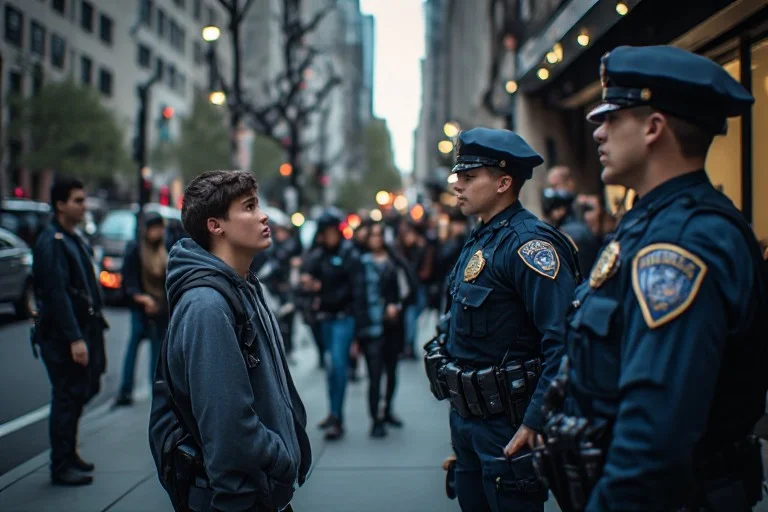
There is no single U.S. rule that controls every case. State legislatures and local governments define public-order offenses differently, and the possible punishment can vary by jurisdiction. Some states classify certain forms of disorderly behavior as misdemeanors and authorize fines, jail time, or both. Other states may use different classifications, sentencing ranges, or alternatives to incarceration.
That is why a generic online penalty chart cannot tell you exactly what will happen in an individual case. The charging statute, location, prior history, alleged facts, and available defenses all matter.
Can Speech, Yelling, or Profanity Lead to a Charge?
Words can become part of a public-order case, but offensive speech alone does not automatically amount to criminal conduct. The First Amendment protects a wide range of speech, including speech that may annoy or anger other people. Courts have also recognized narrow exceptions for certain types of unprotected speech, although those exceptions are limited.
As a result, yelling or profanity may become legally relevant when combined with threats, fighting, obstruction, or other prohibited conduct. Whether speech crosses a legal line depends on the wording of the applicable law and the circumstances of the incident.
What Penalties Can Follow a Charge?

Possible consequences range from relatively minor court sanctions to jail in jurisdictions that authorize incarceration. The outcome depends on how the offense is classified and the facts of the case.
A court may have authority to impose:
a fine;
probation or other court conditions;
community service;
short-term incarceration where authorized; or
other penalties allowed by local law.
A criminal record is also not a simple yes-or-no issue nationwide. Some jurisdictions classify the offense as a misdemeanor, while others may treat it as a violation or another lower-level offense. Record-sealing and expungement rules also differ.
Common Legal Defenses
A defense depends on the statute and the available evidence. Still, several issues often deserve close review. The prosecution may have difficulty proving that the accused person committed the prohibited act. It may also lack evidence of the required intent, knowledge, or recklessness. Other possible defenses or legal issues may include mistaken identity, self-defense, lawful authority, or insufficient evidence that the conduct disturbed public order. A speech-based charge may also raise constitutional concerns if enforcement reaches protected expression.
These are potential legal issues, not automatic defenses. A lawyer licensed in the relevant state can assess whether any of them apply to the facts of a particular case.
What to Do After an Arrest or Citation

A charge can move quickly, so it is important to preserve information and comply with court requirements.
Read the paperwork carefully. Identify the statute, court date, and any release conditions.
Preserve relevant evidence. Save videos, photographs, messages, receipts, and witness contact information.
Avoid discussing the facts publicly. Social media posts can create evidence that may later be used in the case.
Follow all court orders. Missing a hearing or violating a release condition may create additional problems.
Consider seeking local legal advice. A criminal-defense lawyer can explain the exact elements, possible penalties, and available options under the applicable law.
How This Charge Differs From Related Offenses

Public disturbances can overlap with other allegations. Depending on the facts, police or prosecutors may also consider assault, trespass, obstruction, public intoxication, resisting arrest, or similar offenses.
These labels are not interchangeable. Each offense has its own legal elements. A person accused of shouting during an argument, for example, presents a different legal issue from someone accused of physically striking another person.
This distinction is another reason to work from the actual charging document rather than relying on the everyday meaning of words such as “disturbance” or “fight.” Also worth reading: Maternity Leave California.
The Practical Takeaway
A public-order charge may sound minor, but its legal effect depends on the exact statute and the facts. Check the law named in your paperwork, preserve relevant evidence, meet every court deadline, and seek jurisdiction-specific legal advice when the consequences matter. For more explanations of legal topics, visit the Hearvise Law and legal education articles. You can also read Hearvise’s article on weather conditions and accident liability to see how factual circumstances can affect legal responsibility.
Frequently Asked Questions
No. Many jurisdictions treat it as a misdemeanor or another lower-level offense, but classifications differ. The statute named in the case determines how the offense is classified.
Yes, jail may be possible in some jurisdictions. However, it is not an automatic result of every charge or conviction. The potential sentence depends on the law, the circumstances, and the outcome of the case.
It can, but the answer depends on the jurisdiction, case outcome, record system, and any sealing or expungement rules. You should not assume that every citation creates the same type of criminal record.
Not necessarily. Speech can receive constitutional protection, and verbal criticism alone may not be enough to support a conviction. Threats, obstruction, fighting, or other conduct may change the legal analysis.