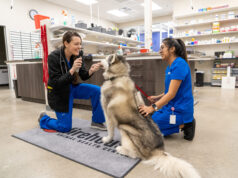

Caring for your small pet involves understanding their vaccination needs. It’s crucial to keep them healthy and safe from diseases. Vaccinations protect your pet’s immune system and contribute to a long and happy life. A San Diego veterinarian can guide you on the right schedule tailored to your pet’s needs. Each vaccine has a specific purpose and timing. Sticking to the recommended schedule helps prevent illnesses. Puppies and kittens need more frequent vaccinations. Adult pets require regular boosters to maintain their immunity. Following the schedule ensures their well-being and prevents unnecessary stress. Approach the process with care and commitment. Feel the satisfaction of knowing your pet is well-protected. By staying informed and proactive, you strengthen the bond with your pet. Reach out to your local vet for personalized advice and support. Prioritize your pet’s health and embrace the peace of mind that comes with responsible pet care.
Key Vaccines for Small Pets
Understanding which vaccines are necessary is the first step in protecting your pet. The core vaccines are essential for all pets, while non-core vaccines depend on your pet’s lifestyle and environment.
- Core Vaccines: These include vaccinations for rabies, distemper, and parvovirus in dogs, and rabies and feline distemper in cats.
- Non-Core Vaccines: These are based on exposure risk. For dogs, this might include vaccines for Lyme disease or leptospirosis. Cats might need vaccines for feline leukemia virus (FeLV).
Consulting a veterinarian helps you choose wisely according to your pet’s habits and potential exposure risks.
Importance of Timely Vaccinations
Timeliness in vaccinations cannot be overstated. Missing or delaying vaccines can lead to increased risk of disease. Young pets have developing immune systems, and because of this, they need initial vaccines followed by boosters. For instance, puppies and kittens usually start vaccinations at six to eight weeks old, with boosters every three to four weeks until they are about four months old.
Adult pets need boosters annually or every three years, depending on the vaccine and local regulations. Regular visits to your veterinarian ensure your pet remains up-to-date on their vaccines.
Vaccination Schedule Table
| Pet | Initial Vaccine | Booster Frequency |
| Dogs | 6-8 weeks | Every 1-3 years |
| Cats | 6-8 weeks | Every 1-3 years |
Managing Vaccine Reactions
Although vaccines are generally safe, some pets may experience mild reactions, such as soreness or mild fever. Severe reactions are rare but may include difficulty breathing or severe swelling. Always monitor your pet after vaccinations and consult your vet if any unusual symptoms arise.
Staying Informed
Healthcare for your pet includes staying informed. Resources like the American Veterinary Medical Association provide reliable information on pet vaccinations. They offer guidelines and updates on vaccine recommendations.
Another valuable resource is the Centers for Disease Control and Prevention (CDC), which focuses on zoonotic diseases that spread from animals to humans, underlining the importance of keeping your pet’s vaccinations updated.
Conclusion
Taking the time to understand and follow a vaccination schedule is an act of love towards your small pet. It ensures their protection and enhances their quality of life. Consult your local veterinarian to create a tailored vaccination plan. This proactive approach not only shields your pet from diseases but also strengthens your bond. Remember, a healthy pet is a happy companion. By prioritizing their vaccinations, you contribute to their lifelong wellness and peace of mind for yourself.
If you want to know more about How General Veterinary Services Promote A Longer Life For Your Pet, then visit our Pets category.