
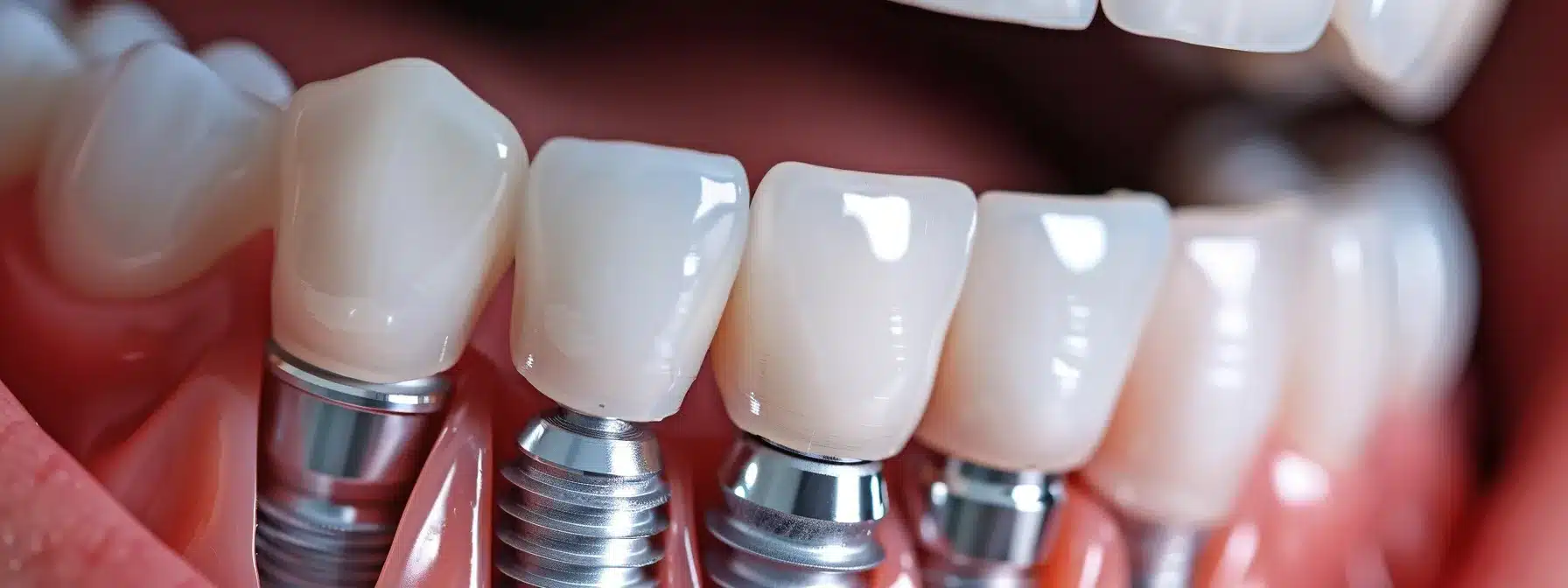
The main difference between zygomatic and conventional dental implants is where they anchor. Conventional implants are placed in the jawbone and need enough healthy bone to hold them, while zygomatic implants are much longer posts that reach up and anchor in the cheekbone (zygoma), so they can support upper teeth when the upper jaw has lost too much bone. That one difference shapes the surgery, recovery, cost and who each option suits.
Below we compare the two across four key areas, anchor point, surgical technique, recovery and suitability, then cover risks, costs and the questions to ask a specialist before you decide.
Zygomatic vs Conventional Dental Implants at a Glance
| Feature | Zygomatic implants | Conventional implants |
|---|---|---|
| Anchor point | Cheekbone (zygoma) | Upper or lower jawbone |
| Where used | Upper jaw only | Upper and lower jaw |
| Implant length | Much longer, angled through the upper jaw | Shorter, placed straight into the jaw |
| Bone grafting | Often designed to avoid it | May be needed if bone is thin |
| Surgical complexity | High; usually a specialist surgeon | Routine for experienced implant dentists |
| Typical anesthesia | Often IV sedation or general anesthesia | Often local anesthesia, sometimes with sedation |
| Fixed teeth timing | Frequently attached soon after surgery | Often after a healing period of a few months |
| Main candidates | Severe upper-jaw bone loss | Adequate jawbone or minor grafting needs |
1. Anchor Points
Conventional implants are titanium or zirconia posts placed directly into the jawbone. Over the following months the bone fuses with the implant surface, a process called osseointegration, which gives a crown, bridge or denture a stable base. This only works if there is enough bone height and density in the spot where the tooth is missing.
Zygomatic implants solve a different problem. After years of missing teeth, wearing dentures or gum disease, the back of the upper jaw can shrink, and the sinuses sit just above it. Rather than rebuilding that bone, a zygomatic implant passes along or through the upper jaw and anchors in the dense bone of the cheekbone. Because the cheekbone is not usually affected by the same bone loss, it offers a firm hold that the jaw no longer can.
2. Surgical Technique
Conventional implant placement is a well-established procedure. The dentist or surgeon opens the gum, prepares a small channel in the bone and places the implant, often under local anesthesia. Single implants can usually be done in one short appointment.
Zygomatic surgery is more demanding. The implants are long and set at a steep angle close to the sinus and eye socket, so precise 3D planning from a CT scan is essential. The procedure is normally carried out by an oral and maxillofacial surgeon or an implant specialist with specific zygomatic training, often under IV sedation or general anesthesia. Many treatment plans combine two to four zygomatic implants, sometimes alongside conventional implants at the front of the mouth, to support a full upper arch.
What to expect before either surgery
- A full exam, X-rays and usually a cone-beam CT scan to measure bone.
- A review of your medical history, medications and smoking status.
- A written treatment plan showing implant positions and the type of teeth to be attached.
- Pre-surgery instructions on eating, medication and arranging a ride home if you are sedated.
3. Recovery Time
After conventional implants, most people return to normal activities within a few days, with mild swelling and soreness that over-the-counter pain relief usually handles. Full integration with the bone typically takes a few months before the final crown or bridge is fitted, and longer still if a bone graft or sinus lift was needed first.
Zygomatic surgery is more extensive, so swelling, bruising around the cheeks and discomfort often last longer in the first week or two. However, because zygomatic implants can frequently avoid grafting and often allow a fixed temporary set of teeth to be attached soon after surgery, the overall time to a working smile can be shorter than a conventional route that needs major bone grafting first. Your surgeon will give you a soft-food plan and follow-up schedule.
4. Suitability
Conventional implants are the standard choice for most people missing one tooth, several teeth or a full arch, as long as there is enough bone or the shortfall can be fixed with a modest graft. They can be used in both jaws and have a long track record.
Zygomatic implants are mainly considered when the upper jaw has severe bone loss, when previous grafts have failed, or when a patient wants to avoid lengthy grafting procedures. They are not used in the lower jaw. Good general health matters for both options, and conditions such as uncontrolled diabetes, heavy smoking or certain medications can affect healing, so a full medical review comes first.
Risks and Possible Complications
Every implant procedure carries some risk, including infection, implant failure and nerve or tissue irritation. Zygomatic implants have additional considerations because of their position near the sinuses and eye socket, such as sinus problems or soft-tissue irritation around the implant. These risks are a major reason to choose a surgeon with documented experience in zygomatic cases.
- Ask how many zygomatic or full-arch cases the surgeon has completed.
- Ask what happens if an implant fails, and whether revisions are included in the fee.
- Ask how sinus health will be checked before and after surgery.
Cost Considerations
Costs vary widely by location, number of implants, materials and the type of final teeth, so any figure you see online is only a rough guide. Zygomatic treatment usually costs more per implant because of the specialist surgery, longer components and anesthesia. On the other hand, it can replace grafting procedures that would add their own costs and appointments to a conventional plan. Ask for an itemized quote that covers scans, surgery, temporary teeth, final teeth and follow-up visits, and check what your dental insurance will and will not contribute.
How to Choose Between Zygomatic and Conventional Implants
| Your situation | Option often discussed |
|---|---|
| One or a few missing teeth with healthy bone | Conventional implants |
| Full arch replacement with adequate bone | Conventional implants, such as an implant-supported bridge |
| Moderate upper-jaw bone loss | Conventional implants with bone grafting or sinus lift, or zygomatic implants |
| Severe upper-jaw bone loss or failed grafts | Zygomatic implants, often combined with conventional implants |
| Missing teeth in the lower jaw | Conventional implants (zygomatic are upper jaw only) |
The right answer depends on a scan and an in-person assessment. If you are in Arizona, practices offering North Scottsdale dental implants can review your bone levels and explain which approach fits your case. For background on implant treatment generally, see our guide to dental implants and active living, and our article on common myths about dental implants.
Reliable Sources for More Information
The National Institute of Dental and Craniofacial Research and the American Dental Association both publish patient-friendly information on tooth loss and implant treatment. This article is general information only; speak to a qualified dentist or oral surgeon about your own health, scans and options.
Bottom Line
Conventional implants are the go-to option when there is enough jawbone, offering a simpler surgery and a long track record. Zygomatic implants are a specialist solution for the upper jaw when bone loss is severe, often avoiding bone grafts and allowing fixed teeth sooner, at the cost of more complex surgery. Get a CT-based assessment from an experienced surgeon and an itemized plan before choosing. Browse more guides in our Health category.
FAQs
What is a zygomatic implant?
A zygomatic implant is a long dental implant that anchors in the cheekbone instead of the upper jawbone. It is used to support upper teeth when the upper jaw has too little bone for conventional implants.
Are zygomatic implants better than conventional implants?
Neither is better in every case. Conventional implants are simpler and suit most people with adequate bone, while zygomatic implants are a specialist option for severe upper-jaw bone loss.
Do zygomatic implants avoid bone grafting?
Often, yes. Anchoring in the cheekbone is designed to bypass the missing upper-jaw bone, which can remove the need for grafts or sinus lifts in many patients.
Can zygomatic implants be used in the lower jaw?
No. Zygomatic implants anchor in the cheekbone, so they are only used to support teeth in the upper jaw. Lower-jaw bone loss is managed with other techniques.
How long does recovery take after zygomatic implant surgery?
Swelling and bruising are usually most noticeable in the first week or two. Many patients receive temporary fixed teeth soon after surgery, with final teeth fitted once healing is complete, according to the surgeon’s plan.
Who should place zygomatic implants?
They should be placed by an oral and maxillofacial surgeon or implant specialist with specific zygomatic training and experience. Ask about their case numbers and follow-up care before committing.