
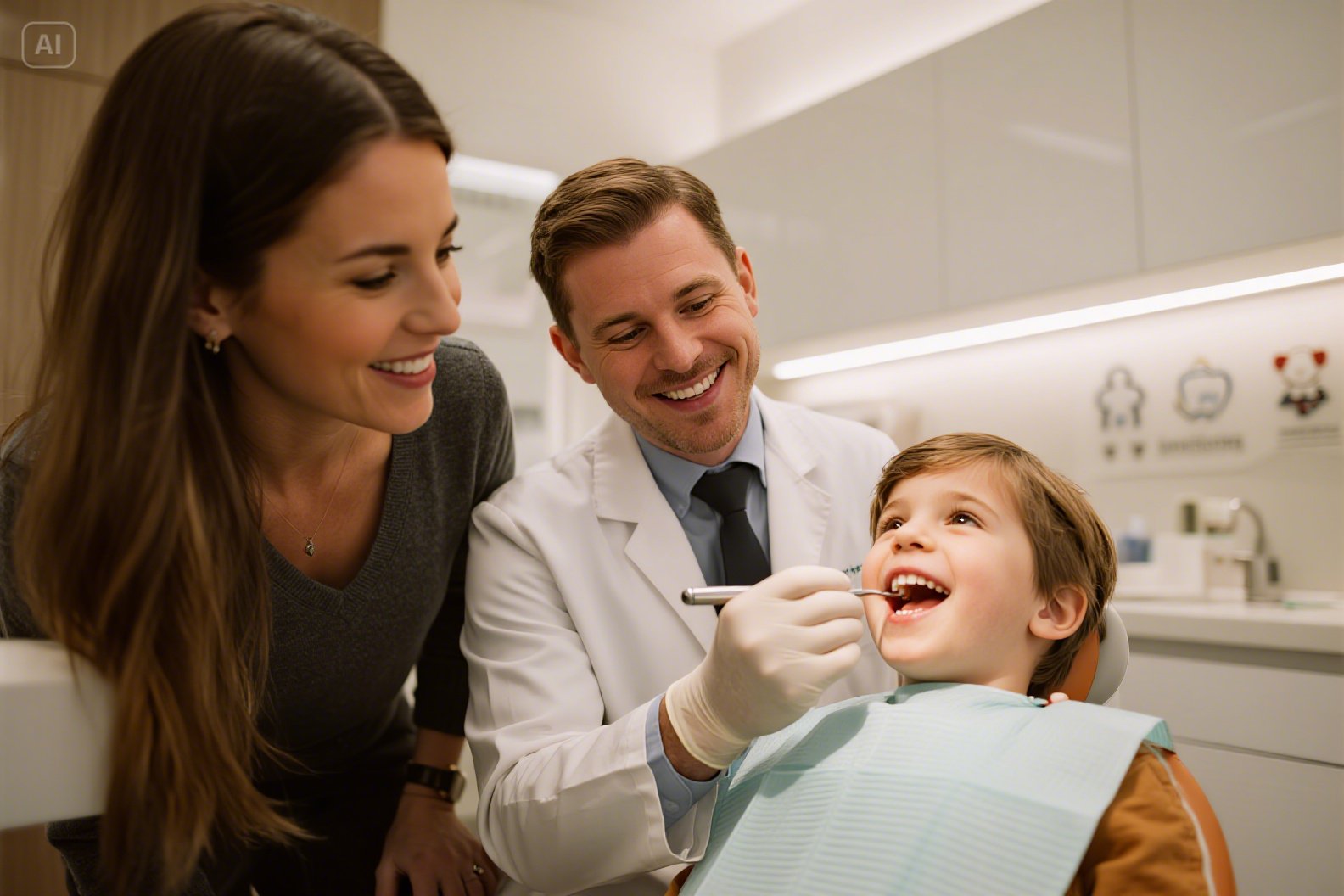
When you visit a Lawrence dentist for a dental cleaning, you take a powerful step for your health. Dental cleanings keep your teeth and gums healthy. Plaque and tartar buildup can lead to cavities and gum disease if not addressed. Cleanings counteract this by thoroughly removing harmful substances. Your oral health influences your overall well-being. Cleanings help prevent more serious issues that may require extensive treatments. During a cleaning, your dentist checks for any signs of trouble, like decay or inflammation. This offers a chance to catch problems early. Cleanings are a routine procedure that makes a significant difference in your health. They involve scaling to remove plaque, polishing to clean the teeth’s surfaces, and sometimes fluoride treatment. By understanding what happens during a cleaning, you can appreciate its impact. You gain more control over your health when you prioritize regular dental cleanings.
What Happens During a Dental Cleaning?
Your dentist begins with an examination of your mouth. This helps spot any issues early. Dentists use small mirrors and tools to identify signs of plaque, tartar, or decay. Identifying these issues early can prevent the progression of dental problems.
Next, the scaling process begins. A dental hygienist uses a special tool to remove plaque and tartar. You might hear some scraping sounds. This is normal. Removing these layers is essential for keeping your gums healthy. Tartar cannot be removed by brushing alone and requires professional intervention.
After scaling, your teeth are polished. Polishing smooths the surface of your teeth. It also removes any leftover stains. It gives your teeth a clean, shiny appearance. You may notice your teeth feel smoother after this step.
Fluoride treatment comes next. Your dentist applies a gel or foam to your teeth. It strengthens tooth enamel and helps protect against cavities. Fluoride treatments are brief but highly effective.
Read More: Why Regular Dental Visits Are Crucial For The Whole Family
Why Dental Cleanings Matter
- Prevents oral disease.
- Removes built-up plaque.
- Boosts your overall health.
Cleanings prevent gum disease and cavities. They remove harmful plaque. Plaque buildup can lead to serious health issues without regular cleaning. Dental health affects overall health. Gum disease and tooth decay can lead to heart disease and diabetes.
Frequency of Dental Cleanings
The American Dental Association recommends cleanings at least twice a year. Some people may need more frequent cleanings based on their health needs. Regular visits keep your teeth healthy and problems at bay. It’s important to follow the advice of your dental professional about how often you should visit.
Comparison Table: Manual vs. Electric Toothbrush
| Feature | Manual Toothbrush | Electric Toothbrush |
| Cost | Low | High |
| Ease of Use | Simple | Requires power |
| Plaque Removal | Effective | More effective |
Dental Cleanings and Children
Children benefit from cleanings too. Starting young builds good habits. Children should visit a dentist by their first birthday. Early visits help children feel comfortable and teach them the importance of oral care. They also allow dentists to catch any developmental issues early.
Conclusion
Regular dental cleanings are essential. They serve a critical purpose in maintaining your oral health. They prevent problems and support your overall health. Scheduling regular visits with your dentist is a simple yet powerful step in managing your health. Remember, prevention is better than cure.
Apart From That if you want to know about “What To Expect During Your First General Dentistry Visit” than please visit our ” Health” Category.