
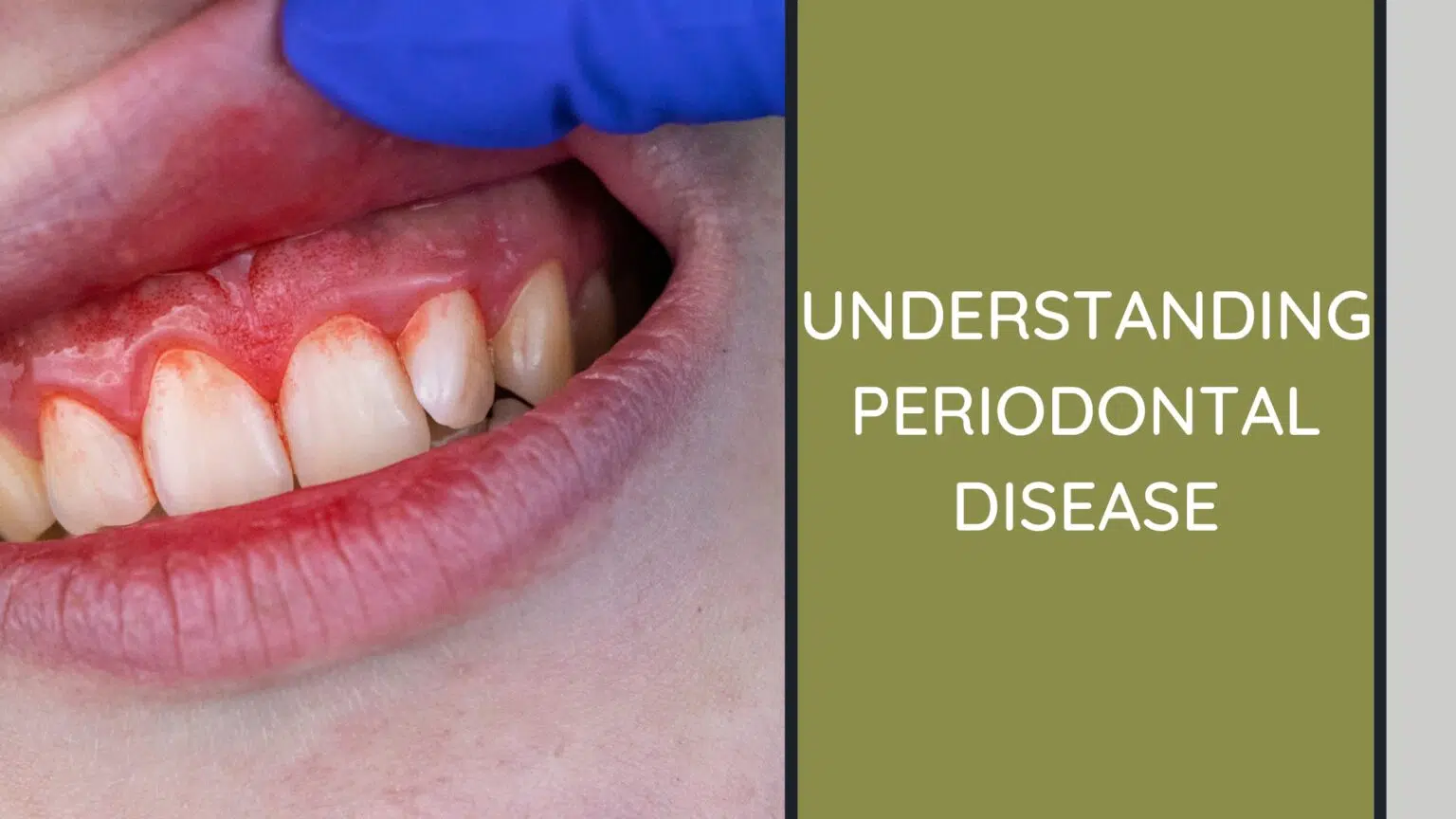
Understanding how periodontal disease affects your overall oral health is crucial. This condition starts with gum inflammation. You might notice bleeding when brushing. Over time, it worsens without proper care. Gums pull away from teeth, forming pockets. Bacteria settle in these spaces. Eventually, it leads to tooth loss. You might think it’s just your gums, but there’s more at stake. The bacteria can spread, affecting your entire mouth. Chicago periodontist highlights that taking action now can prevent long-term damage. Regular brushing and flossing are essential. Professional cleanings are equally important. You shouldn’t ignore signs like swelling or bad breath. Catching it early makes a big difference. Your gums need attention just like your teeth. Otherwise, it becomes a problem that impacts your quality of life. Don’t wait for pain. Act now and protect your smile. Keep your mouth healthy. It starts with awareness and a commitment to care.
What is Periodontal Disease?
Periodontal disease is a common yet serious gum infection. It damages soft tissue. Without treatment, it can lead to destruction of the bone that supports teeth. The initial stage, known as gingivitis, causes irritation and redness of the gums. If neglected, it advances to periodontitis, where the inner layer of the gum and bone pull away from the teeth. This forms spaces, which can become infected.
How Periodontal Disease Develops
Periodontal disease begins when bacteria in plaque build up on the teeth. If plaque is not removed, it hardens into tartar. Tartar can only be removed through professional cleaning. As plaque and tartar remain on your teeth, they become more harmful. The bacteria cause inflammation of the gums. Eventually, the inflammation reaches deeper into the tissue and bone.
Connection Between Periodontal Disease and Other Health Issues
Bacteria from periodontal infections can enter the bloodstream. This spread increases the risk for other diseases. Researchers have linked periodontal disease to cardiovascular issues. Studies show that bacteria can travel to the heart and cause complications. The Centers for Disease Control and Prevention states that periodontal disease may also complicate diabetes management. The inflammation lowers the body’s ability to utilize insulin.
Symptoms to Watch For
Periodontal disease symptoms include:
- Red, swollen gums
- Bleeding during brushing or flossing
- Persistent bad breath
- Receding gums
- Loose or shifting teeth
These signs are early warnings. Address them quickly by visiting a dentist. Early intervention prevents progression.
Taking Action Against Periodontal Disease
You need a proactive approach to fight periodontal disease:
- Brush teeth twice daily with fluoride toothpaste
- Floss daily to remove plaque between teeth
- Visit your dentist regularly for cleanings and exams
Professional cleanings remove tartar buildup even with good at-home care. Regular visits mean early detection. This helps manage any developing issues before they become serious.
Importance of Professional Care
Dentists and periodontists have tools and experience to combat periodontal disease. They use scaling and root planing to deep clean teeth. This procedure removes plaque and tartar from below the gum line. In some cases, surgery is needed to restore supportive tissues.
Prevention is Key
Preventing periodontal disease is simpler and less costly than treating it. Establish a routine for brushing and flossing. Choose a healthy diet. Foods high in sugar contribute to plaque formation. Limit sugary snacks and sodas.
Comparison Table: Healthy Gums vs. Periodontal Disease
| Aspect | Healthy Gums | Periodontal Disease |
|---|---|---|
| Color | Pink | Red or purple |
| Texture | Firm | Swollen |
| Bleeding | None | During brushing/flossing |
| Breath | Fresh | Persistent bad breath |
| Gum line | Stable | Receding |
Final Thoughts
Periodontal disease affects more than your gums. It impacts your overall health and well-being. Taking steps to prevent and treat it protects your smile and health. Awareness and regular dental care are your best defense. Keep your gums and teeth in top condition by maintaining good oral hygiene practices. Your health depends on it.
If you want to know more about The Importance of Family Dentists for Oral Health, then visit our Health category.