
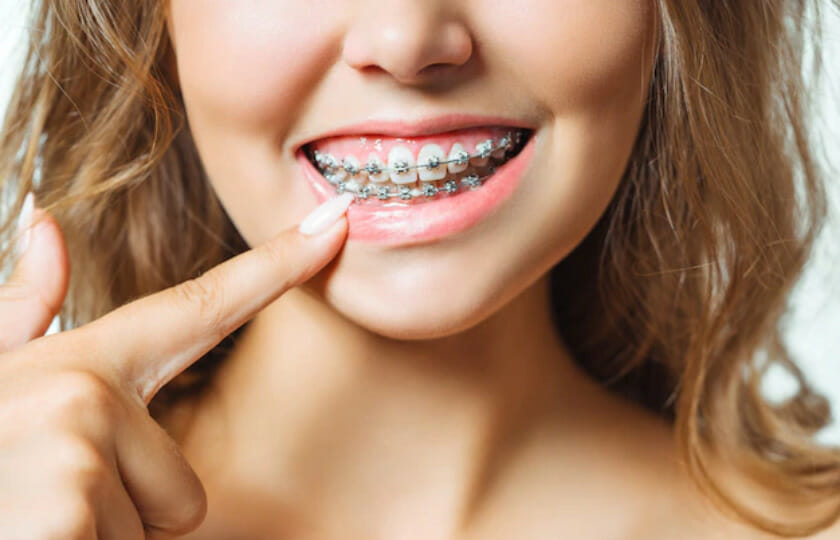
Getting braces can be scary for your child. But you can make it easier. Start by talking openly. Explain why braces help. They straighten teeth and improve smiles. Visit your trusted dentist together. They can answer questions and calm nerves. Choosing the right orthodontist matters. If you’re in the North Phoenix dental crown community, ask for recommendations. Seeing others with braces can provide comfort. Help your child understand that braces are common. Teach them the basics of dental care with braces. Show them how to brush and floss properly. Encourage patience. Braces are a long-term investment in oral health. Remind your child that the process is worth it. Being prepared reduces anxiety and boosts confidence. Offer support at every step. Your calm approach reassures them. This journey ends with a beautiful smile that lasts a lifetime. Prepare now. Reap the benefits later.
Understanding Braces
Braces are orthodontic devices used to correct alignment issues. They work by applying pressure to teeth, gradually moving them into the desired position. Braces correct crooked teeth, overbites, underbites, and other common dental problems. This process takes time, but the results are permanent.
Types of Braces
Different types of braces offer various benefits. Traditional metal braces are the most common. They are effective and suitable for complex cases. Ceramic braces are less noticeable because they blend with teeth. Clear aligners, like Invisalign, are popular for their removability and low visibility. Discuss with your orthodontist which option suits your child’s needs.
| Type of Braces | Appearance | Effectiveness |
|---|---|---|
| Metal Braces | Visible | High |
| Ceramic Braces | Less Visible | High |
| Clear Aligners | Nearly Invisible | Moderate |
Preparing Your Child
- Communicate openly. Discuss the importance of braces and how they work.
- Visit the orthodontist as a family. Familiarity with the setting eases fear.
- Show your child pictures of before and after braces. Visuals can be reassuring.
Dental Hygiene with Braces
Maintaining oral hygiene is crucial. Braces create spaces where food can get stuck. Teach your child to brush after every meal. Flossing becomes more important. Using a floss threader makes it easier to clean between teeth. Consider an oral irrigation tool to remove debris. Regular check-ups ensure that braces are functioning correctly.
Dietary Changes
- Encourage soft foods initially. Soup, yogurt, and mashed potatoes are gentle on teeth.
- Avoid hard, sticky, or chewy foods. They can damage braces.
- Limit sugary foods to prevent cavities.
Coping with Discomfort
Your child might experience discomfort, especially after adjustments. Over-the-counter pain relief can help. Use orthodontic wax to cover sharp brace parts. Rinsing with warm salt water soothes irritated gums. Offer lots of encouragement during these times.
Monitoring Progress
Attend all scheduled orthodontic appointments. This ensures that the braces are adjusted correctly. Regular visits confirm that teeth are moving as planned. Keep track of your child’s progress. Celebrate milestones to boost morale.
Beyond Braces
Once braces are removed, a retainer keeps teeth in their new position. Your child should wear it as instructed to prevent shifting. Retainers are a crucial part of the orthodontic process.
Supporting Your Child
- Listen to your child’s concerns. Offer reassurance and understanding.
- Foster a sense of responsibility. Encourage independence in maintaining oral hygiene.
- Celebrate the end of the journey with a small reward.
Braces are a big step. But with preparation and support, your child will adjust and thrive. Emphasize the benefits of a healthier, happier smile. Stay patient and positive. Your support makes all the difference.
If you want to know more about Managing Orthodontic Referrals Through Your Family Dental Practice, then visit our Health category.