
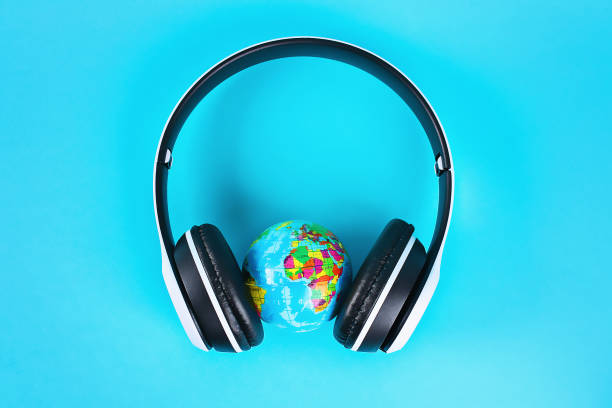
Imagine waking up one day to a world of silence—no birds chirping, no laughter, no music. For millions, this isn’t just a thought experiment; it’s reality. Hearing loss is often called an “invisible disability” because its impact isn’t always visible, yet it profoundly affects communication, education, employment, and mental health.
This is where World Hearing Day (March 3) comes into play. More than just an awareness campaign, it’s a global call to action—a movement to prioritize ear and hearing care as an essential part of public health. But why does hearing health deserve a dedicated day, and how does it fit into broader global health advocacy?
Let’s explore the far-reaching significance of World Hearing Day, its role in shaping health policies, and why protecting our hearing is crucial for societal well-being.
Hearing Loss: A Public Health Crisis
The Alarming Statistics
Hearing loss isn’t a niche issue—it’s a growing epidemic:
- Over 1.5 billion people (nearly 20% of the global population) live with some degree of hearing loss. (WHO, 2024)
- By 2050, this number could rise to 2.5 billion, with 700 million requiring rehabilitation.
- Unaddressed hearing loss costs the global economy nearly $980 billion annually due to unemployment, social isolation, and healthcare burdens.
Yet, despite these staggering numbers, hearing health remains underfunded and overlooked in many national health agendas. Why?
Barriers to Hearing Healthcare
- Lack of Awareness – Many assume hearing loss only affects the elderly, ignoring risks for younger populations.
- Stigma & Misconceptions – Hearing aids and assistive devices are often seen as signs of “weakness” or “old age.”
- Limited Access – In low-income regions, hearing tests, treatments, and specialists are scarce or unaffordable.
- Policy Gaps – Many countries lack structured hearing healthcare programs, leaving millions without support.
This is where World Hearing Day steps in—not just to inform, but to drive systemic change.
World Hearing Day: A Catalyst for Global Change
From Awareness to Action
World Hearing Day isn’t just about sharing facts—it’s about mobilizing governments, organizations, and individuals to take concrete steps. Each year, the WHO sets a theme to guide advocacy efforts. Recent themes have included:
- 2023: “Ear and Hearing Care for All!” – Pushing for universal health coverage.
- 2024: “Changing Mindsets: Making Ear and Hearing Care a Reality for All!” – Tackling stigma and accessibility.
These campaigns have led to real-world impact, such as:
✔ Increased government funding for hearing health programs.
✔ Corporate partnerships to develop affordable hearing aids.
✔ School-based screenings to catch hearing loss early in children.
How Advocacy Translates into Policy
- In Rwanda, national hearing health programs were launched after WHO data revealed high rates of preventable hearing loss.
- In India, the government now subsidizes hearing aids for low-income families, thanks to advocacy campaigns.
- In the EU, stricter noise regulations in workplaces have reduced occupational hearing damage.
But progress is uneven. Many regions still lack basic hearing healthcare. So, what’s next?
The Future of Hearing Health Advocacy
3 Key Areas for Improvement
- Early Intervention Programs
- Routine newborn hearing screenings should be mandatory worldwide. (Only 38% of countries currently require them.)
- Schools should include annual hearing tests, just like vision checks.
- Affordable Technology
- Hearing aids cost
- 1,000−
- 1,000−4,000 in many countries—far beyond what most can afford.
- Advocacy must push for low-cost innovations and insurance coverage.
- Breaking the Stigma
- Public figures (like musicians and athletes) sharing their hearing loss stories can normalize treatment.
- Media campaigns should reframe hearing aids as tech enhancements (like glasses) rather than disabilities.
How Can You Contribute?
✅ Support NGOs working on hearing health (e.g., Hearing Health Foundation, WHO initiatives).
✅ Advocate locally—ask policymakers about hearing health programs in your community.
✅ Educate others—share facts on social media, especially on March 3rd (World Hearing Day).
Conclusion: A Sound Investment in Humanity
Hearing health isn’t just an individual concern—it’s a societal imperative. When people lose their hearing, economies lose productivity, children lose educational opportunities, and communities lose connection. World Hearing Day reminds us that hearing care is a human right, not a privilege.
So, let’s discuss:
- Should hearing health be part of universal healthcare coverage?
- How can we make hearing aids as common as eyeglasses?
For more on World Hearing Day and the importance of hearing health, check out Innocaption, which offers valuable resources on hearing health and advocacy.
Apart from that if you want to know about “Understanding the Causes and Risk Factors of Bone Cancer” then please visit our “Health” Category.